镇江海事局智能体全天候监测8类通航风险。
The recent Yangtze River Navigation System Artificial Intelligence Application Skills Competition and the First Youth Innovation and Creativity Competition concluded in Wuhan. Two projects submitted by the Zhenjiang Maritime Safety Administration, namely "AI Empowered VTS Duty Listening, Speaking, Reading, and Writing" and "Predict Crossing, Smart Sentinel—Ship Crossing Control Intelligent Agent," won second prizes. Since its implementation, the Ship Crossing Control Intelligent Agent has triggered an average of over 1,400 navigation warnings daily in the Zhenjiang section of the Yangtze River, with an effective warning accuracy rate stabilized at over 85%. The effective reminder volume for high-risk behaviors in VTS has increased from an average of over 700 notices per day to over 2,100.
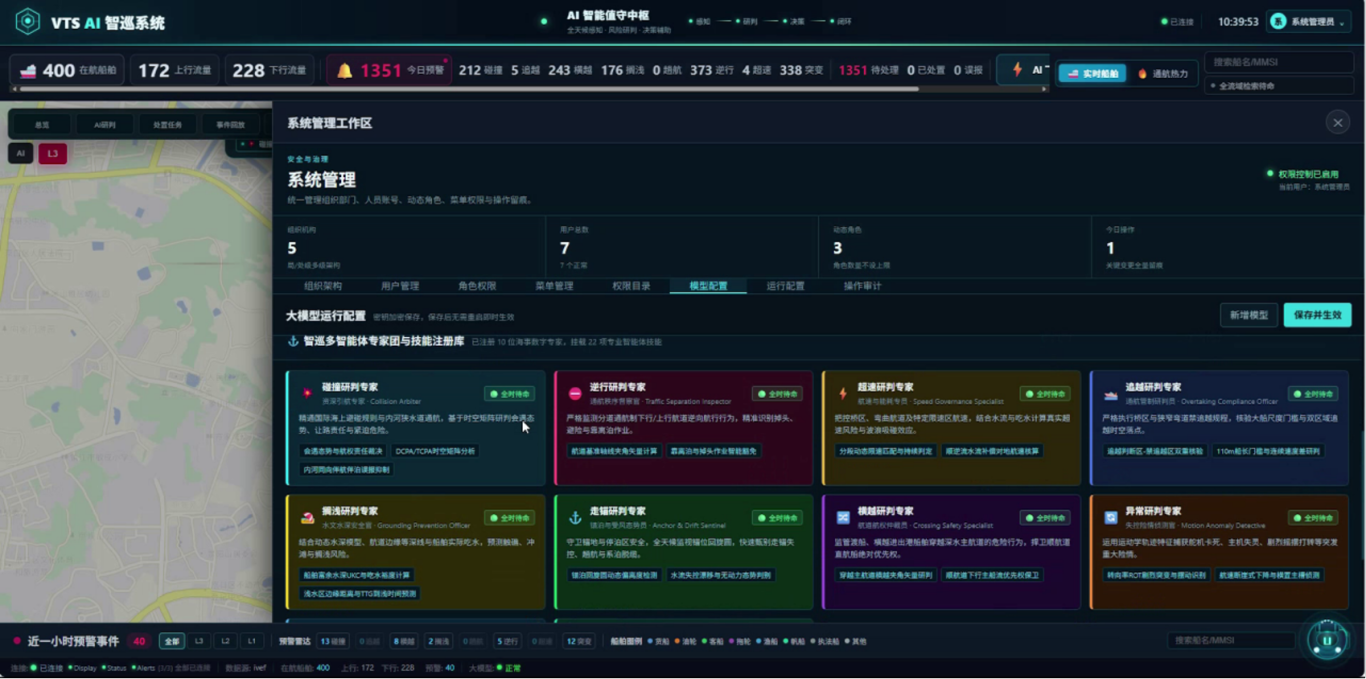
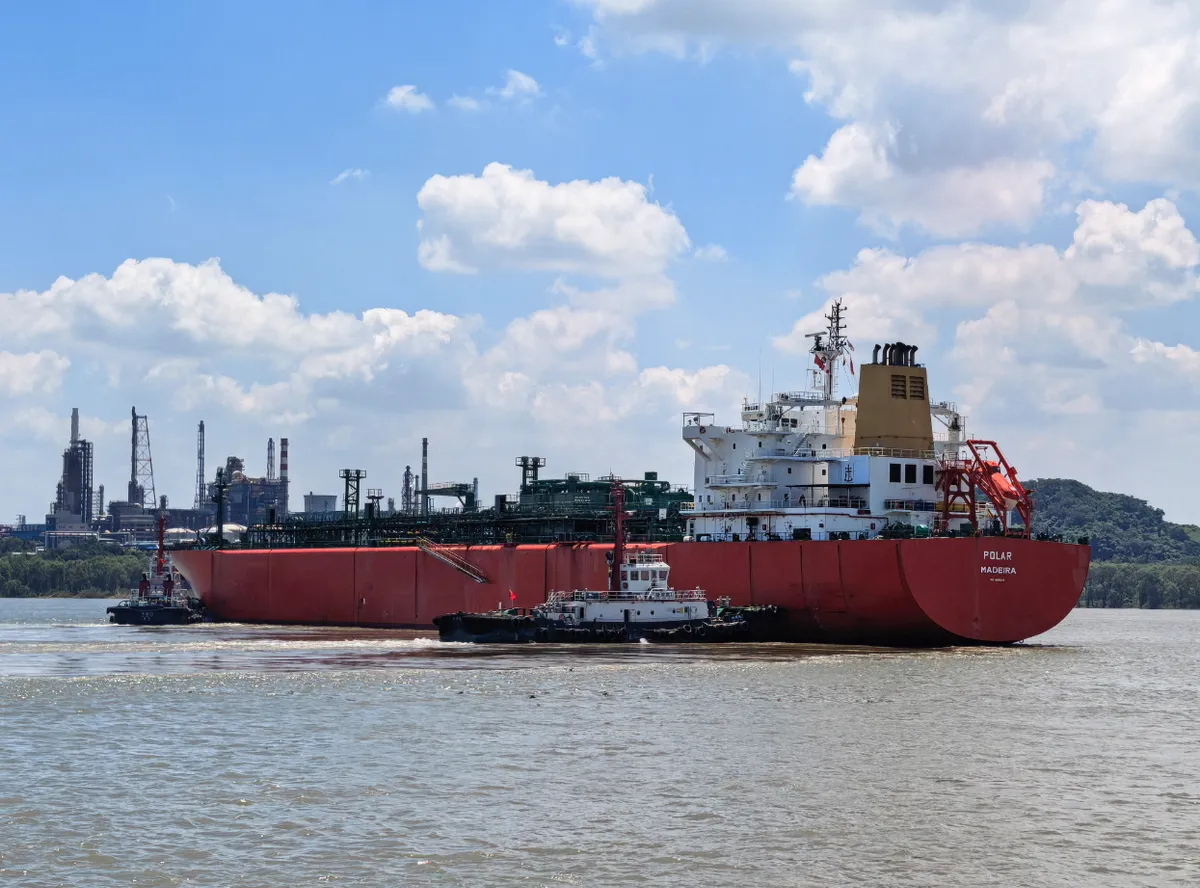
The Zhenjiang section of the Yangtze River experiences high ship traffic and frequent cross-channel encounters. Under the traditional VTS monitoring model, duty officers need to simultaneously monitor several key waterways. To improve judgment efficiency, the Zhenjiang Maritime Safety Administration has integrated radar, ship automatic identification systems, electronic fences, and manually reported information, superimposing geographic information such as channel boundaries, shallow zones, and no-overtaking areas to develop an intelligent ship traffic management agent. This system monitors and analyzes the dynamics of ships in its jurisdiction around the clock. Currently, the intelligent agent can automatically identify eight types of navigation risks, including crossing, collision, grounding, and overtaking. This means that monitoring is no longer limited to the key waterways the duty officer is focusing on. The system helps duty officers quickly identify abnormalities that are easily overlooked, offering broader risk detection and faster responses.
However, the warning being triggered does not mean the monitoring work is complete. Whether the alert is accurate, how severe the risk is, and who should handle it all require further judgment. To address this, the Zhenjiang Maritime Safety Administration has introduced a large AI model into the intelligent agent. After issuing a warning, the system will automatically retrieve information such as ship trajectories, surrounding ship encounter situations, and waterway environments for a round of intelligent evaluation, reducing false alarms caused by normal ship encounters or berthing situations as much as possible. The risks are then categorized and processed as follows: major risks are pushed in real-time to the traffic management center, risks requiring further verification are handed over to the rapid response center for follow-up, and minor risks are notified to crew members via SMS for self-correction. The system also continuously tracks the ship's dynamics after the warning, adjusting the warning level based on changes in risk, and keeps a record of each warning’s handling process. This creates a closed-loop workflow of warning, evaluation, assignment, handling, and tracking.
Currently, the Zhenjiang Maritime Safety Administration is actively exploring the in-depth integration of artificial intelligence with VTS operations. Plans are in place to further refine the "listening, speaking, reading, and writing" full-process intelligent duty model, allowing intelligent technologies to better serve ship dynamic monitoring and navigation risk prevention, thereby supporting the safety and smoothness of the Yangtze River Golden Waterway.